Get Expert Advice from Top Surgeons! Schedule Your Consultation.
Esophagogastric Surgery in Chennai and Coimbatore – GEM Hospital
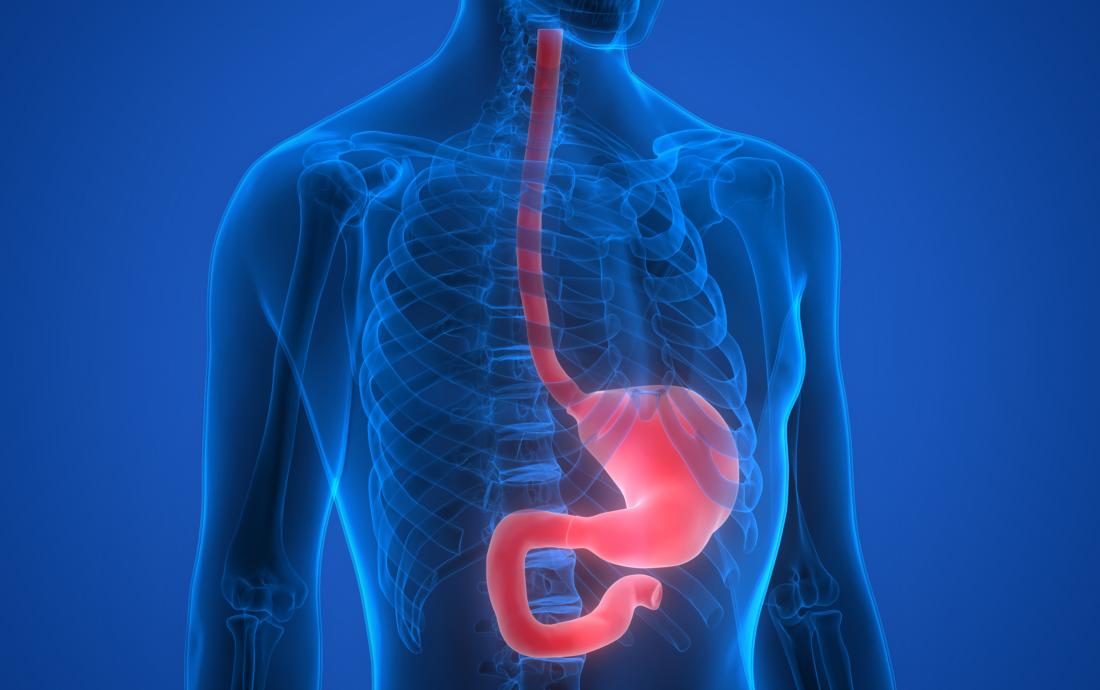
GEM Hospital offers expert Esophagogastric Surgery services, ensuring safety and comfort for all surgical procedures and treatments.
-
Trusted Expertise
-
Precise Diagnostics
-
Advanced Treatments
-
Quality Care
-
24/7 Assistance
 Call Now
Expertise Makes All the Difference When Your Stomach or Food Pipe Needs Surgery We don't think about the esophagus and stomach very often in our daily lives, but when something goes wrong with them, we do. These are conditions that need a surgical team with a lot of experience: years of acid reflux that medicine can't control anymore, a swallowing problem that's getting worse, a hiatal hernia that causes constant pain, or a more serious diagnosis like oesophageal or gastric cancer.
GEM Hospital's esophagogastric surgery in Chennai and Coimbatore uses the latest laparoscopic and robotic technology to treat all kinds of upper GI surgical problems. Their philosophy is always to choose the least invasive method that will give the best possible result for the patient.
Understanding the Reasons Why Patients Come to GEM
The esophagus is the tube that moves food from your throat to your stomach. Digestion really starts in the stomach. When one of these organs has a surgical problem, the anatomy is complicated, the risks of making a mistake are high, and you need a team with a lot of experience.
The esophagogastric team at GEM Hospital treats the following conditions:
Heartburn is just one of the many symptoms of GERD (Gastroesophageal Reflux Disease). When stomach acid flows back into the esophagus over and over again for months or years, it can cause chronic inflammation, damage to the lining of the esophagus, and in some cases, a precancerous change known as Barrett's esophagus. Most people with GERD can control it with medicine, but for those whose symptoms don't go away even after treatment or who don't want to take acid-suppressing pills for the rest of their lives, anti-reflux surgery is a permanent fix.
Achalasia is a condition in which the lower esophageal sphincter, a muscle at the bottom of the esophagus, doesn't relax properly when you swallow. Food and drink get stuck, swallowing becomes harder over time, and often there is a lot of weight loss and nutritional problems. It's not as well-known as GERD, but it has a big effect on the lives of people who have it.A hiatal hernia happens when part of the stomach pushes through the diaphragm and into the chest cavity. It often happens with GERD and can cause its own symptoms, such as chest pain, trouble swallowing, a feeling of fullness, and in severe cases, blockage.
When cancer affects the esophagus or stomach, surgery to remove the cancer and clear the lymph nodes is the most important part of treatment. These are some of the most technically difficult surgeries in all of surgery, and the outcome depends on how experienced the surgical team is and how they do the surgery.
What GEM Hospital Can Do for You?
The best way to treat GERD with surgery is with laparoscopic Nissen fundoplication. The upper part of the stomach (the fundus) wraps around the lower esophagus, making a new valve that stops acid from coming back up. It's done completely laparoscopically, with small cuts and little disruption. In more than 90% of carefully chosen patients, it permanently stops acid reflux. For a lot of people, it means no more daily medicine and a normal relationship with food again.
The goal of hiatal hernia repair is to put the herniated stomach back in its proper place and make the diaphragm opening stronger. Laparoscopic surgery is usually used for this, and it is often done at the same time as fundoplication if GERD is also present.
The surgical treatment for achalasia is laparoscopic Heller myotomy. The muscle fibers in the lower esophageal sphincter are carefully cut so that the valve can open normally when you swallow. It gives achalasia patients the ability to eat and drink again, which they may not have felt in years. POEM (Per Oral Endoscopic Myotomy) is an even less invasive way to treat achalasia, and it works wonders. A flexible endoscope is used to do the whole procedure through the mouth. There are no cuts on the outside at all. GEM Hospital is one of the few places in Tamil Nadu that offers POEM, which makes it a good choice for achalasia patients who want the best treatment available.
Minimally Invasive Oesophagectomy (MIE) is a surgery that removes the esophagus for esophageal cancer. It is done using both laparoscopic and thoracoscopic techniques. This is one of the hardest surgeries in general surgery, and it usually needs a big cut across the chest and abdomen. At GEM, it's done with as little invasion as possible, which cuts down on blood loss, pain after surgery, and recovery time while still meeting the high standards of oncological precision that the surgery requires.
D2 lymph node dissection is the internationally accepted standard for complete cancer clearance. It is used in laparoscopic and robotic gastrectomy to remove part or all of the stomach for gastric cancer. Both GEM centers offer laparoscopic gastrectomy. Chennai also offers robotic gastrectomy, which is better at preserving nerves and blood vessels.
Why should you choose GEM Hospital for esophagogastric surgery?
Dr. C. Palanivelu, a world-renowned pioneer in laparoscopic surgery of the esophagus and stomach, is the direct institutional ancestor of GEM Hospital. His work in minimally invasive upper GI surgery has changed the way surgery is done around the world. That legacy isn't just a thing of the past; it's part of the training, culture, and standards of the surgical team that works today.GEM Hospital is one of the few places in Tamil Nadu that offers POEM for achalasia. Patients who come to GEM for this don't have to go to a different city or state.
GEM does a lot of minimally invasive oesophagectomy and gastrectomy cases, and in complicated upper GI surgery, more cases means better results. Surgical teams that do these kinds of operations often make fewer mistakes, deal with problems more confidently, and get better results.For all cases of esophageal and gastric cancer, including those that are cancerous. Before any surgery is done, GEM's MDT tumor board looks over the case. Everyone agrees on the order of chemotherapy, the timing of surgery, and the plan for after surgery, not just one surgeon.You can get it in both Chennai and Coimbatore.
For more than 30 years, GEM Hospital's founding surgical center in Coimbatore has been doing esophagogastric surgery. Upper GI surgery has always been a part of this institution, not something new. People from all over western Tamil Nadu, as well as from the border areas of Kerala and Karnataka, come to this center for specialized care for GERD, hiatal hernia, achalasia, and upper GI tumors.
GEM Hospital Aminjikarai in Chennai offers a full range of upper GI surgeries, including minimally invasive oesophagectomy and robotic gastrectomy. Patients from all over Tamil Nadu and beyond come to get the best upper GI oncosurgery in South India. Both centers follow the same surgical philosophy and clinical standards, so you can expect the same results no matter where you go.
The esophagus and stomach are the first parts of your body to deal with food. When they need surgery, they can't settle for anything less than real expertise and a team that has done this a lot and always gotten good results for decades. That is what esophagogastric surgery in Coimbatore at GEM Hospital is all about.