Take the first step toward better kidney health. Book a consultation with our urology specialists today
Get the Best Kidney Stone Treatment in Coimbatore at GEM Hospital
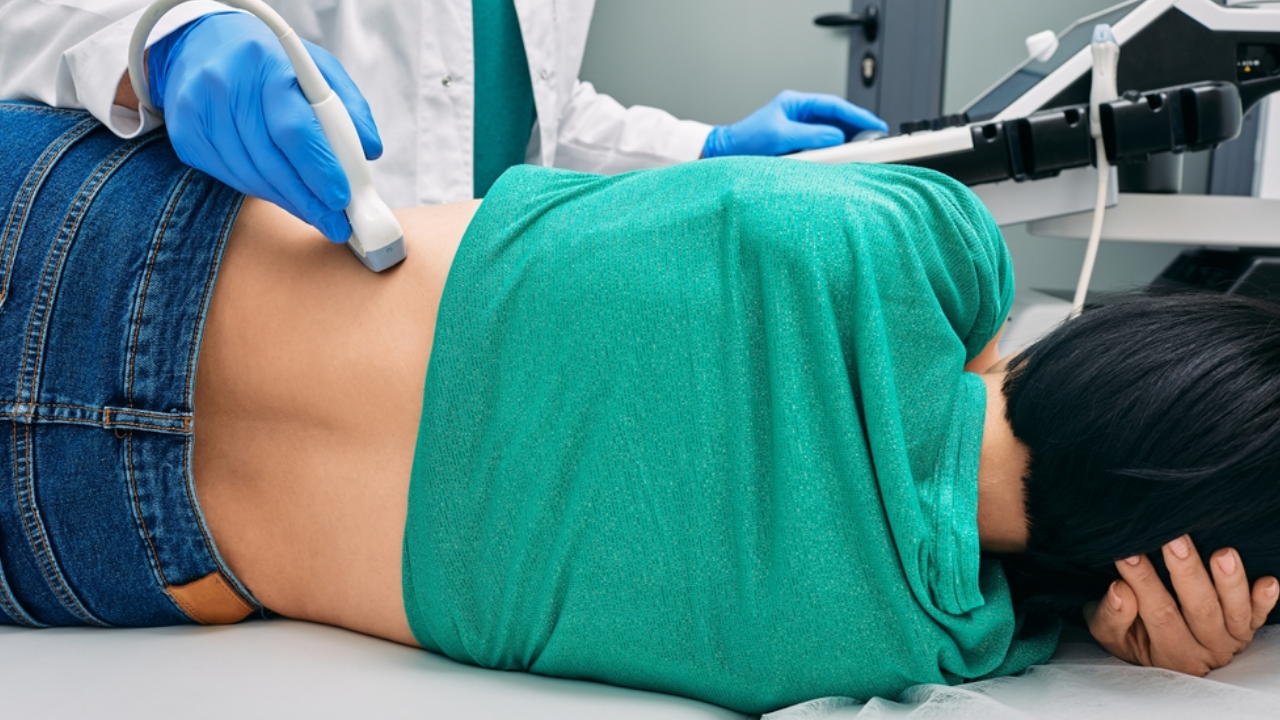
GEM Hospital offers specialized kidney stone treatment in Coimbatore and Chennai, providing patients with swift and safe recovery. Trust our expert medical team for comprehensive care and effective treatment options.
-
Trusted Expertise
-
Precise Diagnostics
-
Advanced Treatments
-
Quality Care
-
24/7 Assistance
 Call Now
What is a Kidney Stone?
Kidney stones are hard deposits of minerals and salts that form inside your kidneys. These stones form when your urine contains more crystal‑forming substances such as calcium, oxalate and uric acid than the fluid in your urine can dilute. Kidney stones can range in size from a grain of sand to a golf ball and may stay in the kidney or travel down the urinary tract.
While people will likely pass smaller kidney stones with little or no notice, larger pieces can lead to painful symptoms, urinary blockage, and possibly even infections. Knowing what causes them and how to effectively treat them as the disease progresses is paramount to keeping healthy kidneys.
GEM Hospitals specializes in kidney stone treatment in Coimbatore, covering the complete model from early diagnosis through advanced removal modalities.
Causes of Kidney Stones
Kidney stones don't form overnight; they're usually the result of multiple contributing factors:
Dehydration
When you are dehydrated, minerals will concentrate instead of remaining in your urine, thus being built together. This is particularly likely to occur in those who live in a hot region or who engage in a strenuous level of physical activity.
Dietary Habits
Excessive consumption of salt, sugar, animal protein, or foods high in oxalate (such as spinach, chocolate, and nuts) contributes to an increased risk of stone formation. Eating too little calcium contributes to urine oxalate levels or can elicit an elevation in Urine Oxalate when calcium is inadequate.
Medical Conditions
Certain chronic urinary tract infections (UTIs), gout, and gastro‑intestinal (GI) diseases (e.g. inflammatory bowel syndrome (IBS) or gastric bypass) can potentially alter the urine composition in a way that increases risk of kidney stone formation. Certain metabolic disorders, that cause large quantities of substances that form kidney stones to be excreted in the urine, also pose a risk.
Obesity & Sedentary Lifestyle
Increased excess body weight increases the level of acid in the urine and the potential risk for uric acid stones. Researchers are also investigating the potential connection between obesity, insulin resistance, and decreased kidney function.
Family or Genetic History
If kidney stones are present in your family (parents, grandparents), your own risk of stones is elevated. In rare instances, genetic disorders (as in cystinuria; which generates excess levels of amino acids in urine) can put patients at risk for amino acid containing stones.
Treat coughs and colds early
A persistent cough puts repeated pressure on your abdominal wall, so getting chest infections or chronic coughs treated promptly can go a long way in preventing a hernia from developing.
Kidney Stone Symptoms
Kidney stones are generally recognized as "silent" when developing; however, once it starts to move, your symptoms may occur quickly and with great intensity:
Sharp, Intense Pain
The pain usually starts in the side or back, located below the ribs. The pain may radiate from the side and back to the lower abdomen and groin. This type of pain is referred to as renal colic and can come in waves with varying degrees of intensity.
Painful Urination
The burning feeling you experience while urinating may indicate that the stone is in the lower part of your urinary tract.
Blood in Urine (Hematuria)
You may notice pink, red, or brown urine due to the stone scraping along the lining of the ureter.
Nausea and Vomiting
In severe pain, with or without obstruction, nausea is common with episodes of kidney stones that cause vomiting.
Frequent Urge to Urinate
A stone located near your bladder often creates an urge to urinate or to urinate more frequently than normal.
Fever and Chills
You may develop fever and/or chills if your kidney stone is associated with infection; this is a medical emergency.
If you experience any combination of these symptoms, you should get to GEM Hospital for reliable kidney stone treatment in Coimbatore, with proper diagnosis and timely care.
Kidney Stone Diagnosis
Accurate and early diagnosis forms the foundation of effective treatment. At GEM Hospital, we employ advanced diagnostics tailored to your symptoms:
Imaging Techniques
- Ultrasound: A painless, first‑line imaging technique that can detect most stones.
- CT Scan (Non‑contrast): The gold standard for locating even tiny stones with precision.
- X‑Ray (KUB): Used for follow‑up in cases involving larger, visible stones.
Urine Tests
- Urinalysis: Detects blood, crystals, or infection‑causing bacteria.
- 24‑Hour Urine Collection: Helps determine the cause of stone formation by analyzing excretion levels.
Blood Tests
Measures kidney function, calcium levels, uric acid, and more to understand underlying issues.
Early detection helps tailor a custom treatment plan, improving outcomes and minimizing complications – a key part of our approach to kidney stone treatment in Coimbatore.
Types of Kidney Stones
Knowing what your stone is made of can help take steps to prevent and/or treat them.
Calcium Oxalate Stones
These are the most common type, and are often caused by high oxalate foods, or a low fluid intake.
Calcium Phosphate Stones
These stones are found even more often in metabolic disorders, and children with urinary abnormalities such as renal tubular acidosis.
Uric Acid Stones
These stones form in acidic urine, and are usually associated with high‑purine diets such as red meat and seafood or gout.
Struvite Stones
These stones usually occur from urinary tract infections, and can expand very quickly, and become very large.
Cystine Stones
Cystine stones are rare (hereditary) stones made from excessive cystine in the urine.
At GEM Hospital, we analyze each patient's stone composition to create a long‑term management plan as part of our kidney stone treatment in Coimbatore.
Treatment Options for Kidney Stones
GEM Hospital on‑site offers a comprehensive range of potential treatment options for kidney and ureteral stones based on stone size, location, and composition – making us a trusted name for kidney stone treatment in Coimbatore.
Medical Management
- Pain management (NSAIDs or opiates)
- Alpha‑blockers such as tamsulosin to relax the muscles of the ureter
- Increased fluid intake to monitor for smaller stones that can pass naturally
Non‑Invasive Procedures
Shock Wave Lithotripsy (SWL) – Using shock waves to break stones into small pieces to pass in the urine.
Endoscopic Procedures
Ureteroscopy (URS) – A thin camera passed from the bladder to the ureter, or kidney to retrieve or laser the stone into small pieces.
Minimally Invasive Surgery
Percutaneous Nephrolithotomy (PCNL) is when large or complex stones are treated through a small incision in the back under anesthesia.
GEM Hospital offers daycare stone removal as part of our kidney stone treatment in Coimbatore. This procedure allows you to leave on the same day with very little discomfort at home.
Post‑Treatment Care and Prevention
After treatment, prevention is key to avoiding recurrence:
Hydration Plan
Aim for 2.5 to 3 liters of water daily.
Dietary Adjustments
Limit sodium, reduce oxalate‑rich foods, and maintain balanced calcium intake.
Lifestyle Guidance
Regular physical activity and weight control.
Regular Check‑ups
Follow‑up imaging, blood and urine tests.
Why Choose GEM Hospital for Kidney Stone Treatment in Coimbatore?
World‑Class Urologists
Expert urologists with extensive experience treating complex kidney stone cases.
Latest Technology
State‑of‑the‑art technology with revolutionary innovations in laser lithotripsy and 3D CT scans for extreme precision.
Personalized Care Plans
Each patient is provided differing treatment based on the type of kidney stone as well as the patient's health history and lifestyle.
Rapid Recovery Protocols
Most treatments are minimally invasive, thus greatly reducing recovery time and pain.
Immediate access to emergency urology care.
For dependable kidney stone treatment in Coimbatore, schedule your consultation at GEM Hospital today and take your first step towards permanent relief from kidney stones.