Get Expert Advice from Top Surgeons! Schedule Your Consultation.
HPB Surgery in Chennai and Coimbatore – GEM Hospital
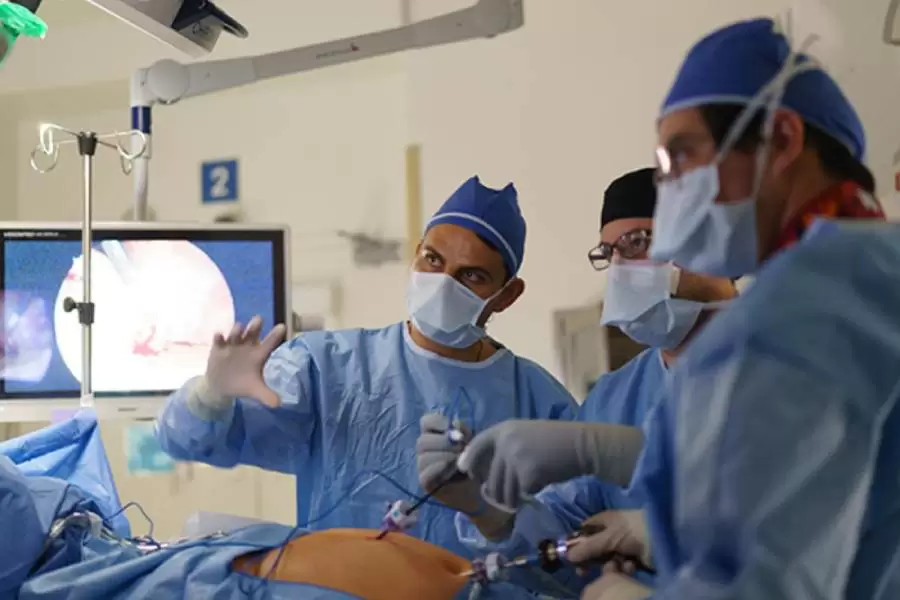
GEM Hospital offers expert Hepato Pancreato Biliary services, ensuring safety and comfort for all surgical procedures and treatments.
-
Trusted Expertise
-
Precise Diagnostics
-
Advanced Treatments
-
Quality Care
-
24/7 Assistance
 Call Now
When the Surgery Is This Complex, the Team Behind It Has to Be Exceptional.
Organ transplantation is the best gift because it gives people whose liver or kidneys have failed permanently a second chance at life. It is also one of the most medically and emotionally difficult journeys a patient and their family can take. GEM Hospital offers expert multi-organ transplant services in Coimbatore and Chennai through a nationally accredited program that combines the surgical skill, nephrological and hepatological expertise, and the dedicated transplant coordination team needed to safely and successfully navigate every step of the process. GEM Hospital is there for patients every step of the way, from the first evaluation to lifelong monitoring after the transplant.
About multi-organ transplantation
GEM Hospital has accredited transplant centers where they do kidney and liver transplants using organs from living and dead donors. The program follows the rules set by TNOS (Tamil Nadu Organ Sharing) and TRANSTAN to make sure that donors are treated fairly and according to the law.
Kidney transplantation is the best way to treat end-stage renal disease because it gives patients a much better chance of living longer and having a better quality of life than long-term dialysis. Liver transplantation is the only way to cure end-stage liver failure and some types of liver cancer. Both procedures need careful surgical technique, complicated immunosuppressive management, and lifelong follow-up with a specialist.
Surgeries performed
-
Kidney Transplant from a Living Person.
-
Kidney transplant from a dead person.
-
Living Donor Liver Transplant (right lobe).
-
Liver Transplant from a Deceased Donor.
-
Transplant of both the kidney and liver (in some cases).
Treatment pathway
-
Pre-Transplant Evaluation: A full medical, surgical, immunological, and psychological check-up.
-
TNOS/TRANSTAN Registration:A list of deceased donor organs that is required by law.
-
Donor Evaluation: Full medical and immunological checkup for living donors.
-
Laparoscopic Donor Nephrectomy: Taking out a kidney from a living donor with as little damage as possible.
-
Transplant Surgery: An expert operation on the recipient with careful vascular and urinary/biliary anastomoses.
-
Post-Transplant Immunosuppression: lifelong, carefully controlled immunosuppressive therapy.
-
Long-Term Follow-Up: checking how well the graft is working, keeping infections from happening, and keeping an eye on metabolic health.
why you should choose gem hospital?
-
Tamil Nadu has a government-approved program for multi-organ transplants.
-
Laparoscopic living donor nephrectomy little harm to the donor.
-
High graft survival rates with careful immunosuppression plans.
-
A dedicated transplant coordinator helps families navigate the legal and medical steps.
-
ICU and critical care for post-transplant patients around the clock.
-
Bringing together nephrology, hepatology, and transplant surgery in one place.
Multi-organ transplant in coimbatore and chennai
The multi-organ transplant program at GEM Hospital is run out of both the Coimbatore and Chennai Aminjikarai centers. The Chennai center is the main surgical center for complicated transplant surgeries like liver transplants. People in Coimbatore who are being evaluated for a kidney transplant can get ready for the surgery, register for TNOS, and get ongoing nephrology support at the Coimbatore center before the Chennai transplant team coordinates the surgery.
GEM Hospital Aminjikarai in Chennai offers a full surgical program for kidney and liver transplants, along with 24-hour post-operative ICU support. Both centers use the same transplant coordinator network and follow the same clinical protocols. This means that you will get the same high-quality transplant care no matter where you are in Tamil Nadu or Chennai.