Get Expert Advice from Top Surgeons! Schedule Your Consultation.
Stomach Cancer Treatment in Coimbatore – Comprehensive GI Cancer Care at GEM Hospital
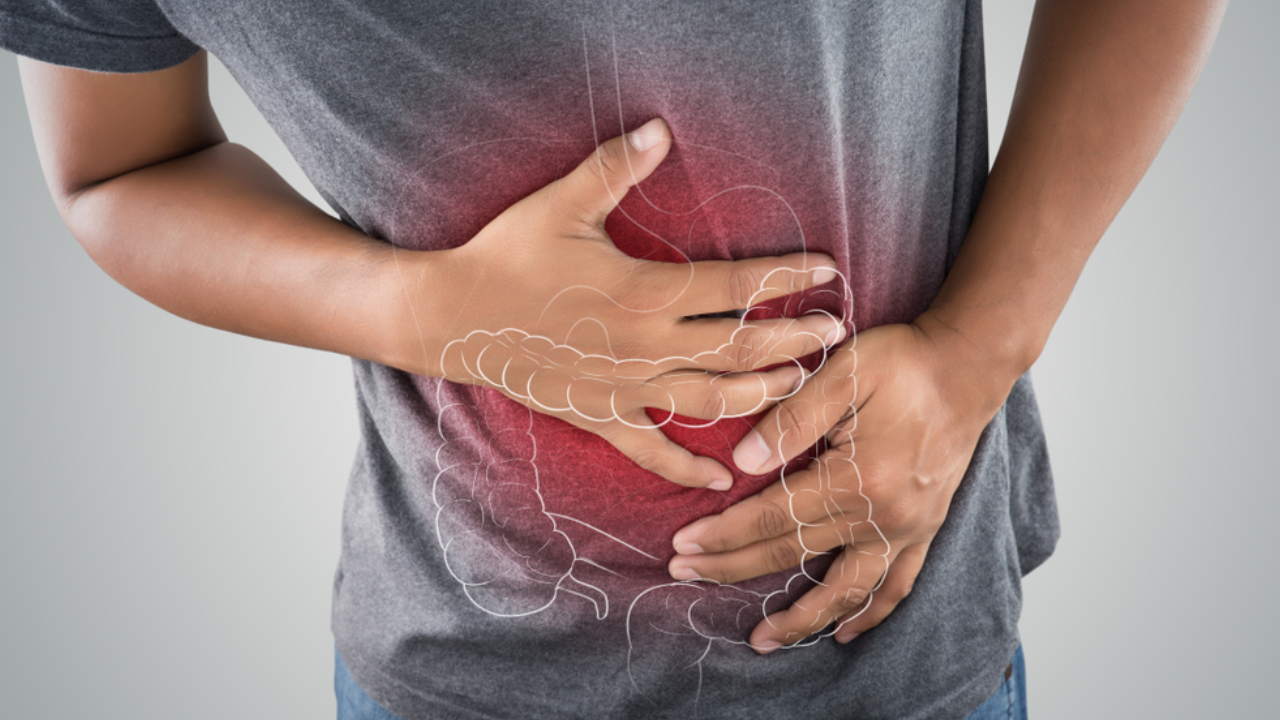
GEM Hospital offers specialized Stomach Cancer Treatment in Coimbatore, providing patients with advanced care, accurate diagnosis, and effective treatment for better recovery outcomes. Trust our expert medical team for comprehensive cancer care and personalized treatment plans.
-
Trusted Expertise
-
Precise Diagnostics
-
Advanced Treatments
-
Quality Care
-
24/7 Assistance
 Call Now
Gastrointestinal cancer covers a lot of ground. It's not one disease – it's a whole family of cancers that can show up anywhere along the digestive tract, from the esophagus down through the stomach, liver, pancreas, small intestine, colon, and rectum. Stomach cancer in particular worries doctors more than most, and for good reason. It has a way of progressing quietly, often reaching an advanced stage before anyone even notices something's wrong. What's happening underneath is that the cells lining the stomach start changing abnormally and multiplying faster than they should. Because the stomach plays such a big role in digestion and nutrient absorption, and because its early symptoms so easily get mistaken for regular indigestion, catching it early is a real challenge. That's why stomach cancer treatment in Coimbatore at GEM Hospital was never designed around just one method. Surgery, chemotherapy, radiation, immunotherapy, supportive care – all of it works together, because catching this early and treating it properly makes a real difference in how things turn out.
What's Actually Driving Stomach Cancer
It helps to understand what pushes this disease along, both for prevention and for catching it sooner.
Helicobacter pylori Infection
This bacteria triggers chronic gastritis, ongoing stomach inflammation that's closely linked to cancer risk over time.
Smoking
Throws off the stomach's natural acid balance in ways that push cancer risk higher, and tends to make an existing diagnosis more dangerous.
Diet & Nutrition
Leaning too heavily on salted, smoked, or preserved foods, without enough fresh fruit and vegetables, changes how the stomach behaves and can set cancer in motion.
Obesity
Adds to the picture through increased reflux and chronic inflammation, raising the risk for upper GI cancers more broadly.
Family history and past medical issues matter just as much as lifestyle choices do. Got a close relative who's had stomach cancer? Your own risk goes up. A history of stomach surgery or polyps does the same. And certain inherited conditions Lynch syndrome, familial adenomatous polyposis, among others make people more prone to GI cancers in general.
Symptoms Worth Taking Seriously
Early stomach cancer symptoms are frustratingly vague. That's a big part of why they get brushed off as something else.
Watch for ongoing abdominal pain or discomfort, trouble swallowing, weight loss that doesn't add up, nausea or bloating after eating, blood in the stool or stools that look unusually dark, losing your appetite or feeling full too fast, fatigue paired with anemia, and heartburn that just won't quit. On its own, any one of these might not mean much. But when a few show up together, it's worth getting checked rather than waiting to see if it passes. Catching things early genuinely changes what treatment ends up looking like.
How We Diagnose Stomach Cancer at GEM Hospital
Getting the diagnosis right is where everything else starts. Our gastroenterologists and oncologists are specifically trained for early detection and accurate staging.
Endoscopy & Biopsy
Actually looking inside the stomach lining and pulling a tissue sample for testing.
CT & MRI Scans
Gauge tumor size, check for lymph node involvement, and see whether things have spread elsewhere.
Endoscopic Ultrasound
Gives a much sharper view of the stomach wall and nearby structures than standard imaging.
PET Scan
Picks up metabolically active cancer cells anywhere in the body, catching spread that other scans sometimes miss.
Tumor Marker Tests
Track how things are progressing, or whether the cancer's come back after treatment.
Genetic Testing
Flags hereditary syndromes, which shapes how we personalize treatment going forward.
Understanding the Stages
Stomach cancer gets staged using the TNM system, built around tumor size, lymph node involvement, and whether it's spread further.
Stage 0
Abnormal cells are still confined to the stomach lining – carcinoma in situ.
Stage I
Tumor limited to the inner layers, no lymph node involvement yet.
Stage II
Reached deeper layers and nearby lymph nodes.
Stage III
Involves multiple lymph nodes or nearby organs.
Stage IV
Spread further out, often to the liver, lungs, or peritoneum.
Knowing exactly where someone falls on this scale is what determines which stomach cancer treatments in Coimbatore actually make sense for them – whether surgery, chemotherapy, or a combined approach is the right call.
Treatment Options We Offer
Our approach to stomach cancer treatment in Coimbatore blends surgical expertise with solid medical oncology support, shaped around where the disease actually stands for each patient.
Surgery
Surgery remains the backbone for localized cancers, usually a partial or total gastrectomy along with lymph node dissection.
Chemotherapy
Comes in before surgery to shrink tumors, after surgery to clear out anything left behind, or as ongoing palliative treatment for more advanced cases.
Radiation Therapy
Works hand in hand with chemotherapy, either shrinking tumors further or easing symptoms.
Targeted Therapy
For select patients, targeted therapies like HER2-targeted treatment (trastuzumab is one example) offer another route.
Immunotherapy
Immunotherapy is showing real promise for certain advanced cancers where the right biomarkers show up
Palliative Care
Runs throughout the whole journey, focused on symptom relief, nutrition, and quality of life.
Surgical Care at GEM Hospital
Surgery is still the most common treatment for stomach cancer, and our gastrointestinal surgeons in Coimbatore bring real, hands‑on experience with both minimally invasive and robotic‑assisted techniques.
Subtotal Gastrectomy: Removing just the lower portion of the stomach.
Total Gastrectomy: When the tumor's spread more widely.
Lymphadenectomy: Plays a key role both for accurate staging and for cutting down the odds of recurrence.
Reconstruction Techniques: Help patients keep digesting food normally after surgery.
We lean toward minimally invasive approaches specifically because they mean faster recovery, less pain, and generally better outcomes.
Chemotherapy and Radiation – A Bit More Detail
On the chemotherapy side, neoadjuvant treatment shrinks tumors before surgery, adjuvant treatment clears out remaining cells afterward, and palliative chemotherapy focuses on controlling symptoms and extending life in more advanced stages. Common drug combinations include FLOT, ECF, and CAPOX, with side effects managed carefully alongside supportive medication throughout.
For radiation, we offer precision techniques – 3D‑CRT, IMRT, SBRT, IGRT – all built to target cancer cells accurately while sparing as much healthy tissue as possible.
Support That Goes Beyond the Treatment Room
Dealing with GI cancer is never purely a clinical matter, and we try hard not to treat it that way. Support here includes oncology counseling, dietary planning built around GI health, post-surgical care and rehabilitation, ongoing pain and symptom management, and peer support groups for patients who want to connect with others going through something similar.
Why Patients Choose GEM Hospital for Stomach Cancer Treatment in Coimbatore
Expert GI Oncology Team
Our surgical gastroenterologists and GI oncologists have built a genuinely strong reputation nationally, and it shows in how cases get handled here.
Advanced Infrastructure
We've put real investment into infrastructure that actually matters robotic surgery, dedicated endoscopic suites, outpatient chemotherapy and radiation so patients aren't bounced between disconnected facilities.
Patient‑Centric Care
Care here is patient-centric in practice, not just something we claim the whole person gets looked after, emotional support included, and we communicate clearly at every step.
Coordinated Multispecialty Team
GI surgeons, oncologists, radiologists, dietitians, and counselors function as one coordinated team – consistent care instead of conflicting opinions.
If you or someone you care about is dealing with GI cancer symptoms, early diagnosis and the right care can genuinely make all the difference. Don't sit on it.
Book your consultation with GEM Hospital, the trusted name for stomach cancer treatment in Coimbatore.